Choosing the Right Mattress Firmness: Science-Backed Guide for Optimal Sleep Health
Share
Fact checked
Reviewed by experts
 Writers at Sleep Authority are supported by a research team conducting in-depth research about the topics. The editorial team reviews them for accuracy and facts to ensure the most authentic and accurate content is published. Sleep Authority does not offer any medical advice, and you should not rely solely on our content for your course of treatment. Consult your medical professional to discuss any health concerns, chronic conditions, treatment options, or diagnoses.
Updated
December 31, 2025
Quick read
7 mins to read
List of Content
Choosing the right mattress firmness is a critical factor in achieving restorative sleep and maintaining long-term musculoskeletal health. The firmness of your mattress affects your spinal alignment, pressure point relief, and overall comfort — key components that influence just how well you rest each night. While mattress firmness is often described as “soft,” “medium,” or “firm,” scientific research helps clarify which firmness level is most suitable for you, based on your body type, sleep position, and specific health concerns like back pain. Understanding these factors will help you select a mattress that will support your unique needs and promote healthy sleep patterns.
This article will explore the science behind mattress firmness, and provide evidence-based guidance on finding the right balance between support and cushioning. By the end, you’ll have a clearer understanding of how to evaluate mattress firmness so you can invest confidently in your sleep health.
Understanding Mattress Firmness: What Does It Mean?
Mattress firmness refers to the initial feel and resistance of the mattress surface when you lie down. It is measured on a scale typically ranging from 1 (extra soft) to 10 (extra firm), although these scales can vary between manufacturers. Often, firmness is distinguished from mattress support. Firmness refers to how the mattress feels at the surface, while support refers to the mattress’s ability to keep your spine properly aligned throughout the night.
Most experts categorize mattress firmness broadly into soft (1-3), medium or medium-firm (4-6), and firm (7-10) ranges. However, the “right” firmness for you depends on several interacting factors, including your body weight, preferred sleep position, and any underlying health considerations.
It’s important to note that mattress firmness ratings are not standardized across the industry, so a “medium” from one company might feel closer to firm in another. Understanding the materials and layers that contribute to firmness will help you interpret these labels more effectively.
The Impact of Mattress Firmness on Sleep Health
Research shows mattress firmness plays a significant role in minimizing pain, improving sleep quality, and supporting proper posture. A landmark study published in The Lancet evaluated 313 patients with chronic low back pain and found that those sleeping on medium-firm mattresses reported significantly better outcomes for pain and disability compared to those sleeping on firmer mattresses (Study: The Lancet, 2003). This suggests that overly firm mattresses may fail to provide adequate pressure relief, while overly soft mattresses may not deliver sufficient support.
Firmness influences pressure distribution, which affects circulation and reduces the likelihood of waking due to discomfort. A mattress that is too firm may concentrate pressure on heavier parts of the body, such as a side sleeper’s hips and shoulders. Conversely, softer mattresses provide better contouring but can allow excessive sinkage, potentially misaligning your spine.
Body weight also modulates how firmness feels and performs. Heavier individuals tend to compress mattress layers more deeply, which means a medium-firm mattress may feel softer and provide insufficient support. Lighter sleepers may find firmer mattresses unyielding and uncomfortable. This interplay highlights why mattress firmness should be considered relative to your specific needs.
How Sleep Position Influences Mattress Firmness Choice
Your sleep position is one of the most important factors when determining which mattress firmness best supports your body. Each position places different pressure points and requires varying levels of support:
Side Sleepers
Side sleepers benefit from a mattress that offers soft to medium firmness, typically in the 3-5 range. This firmness allows the mattress to conform closely to the contours of the shoulders and hips, cushions pressure points, and maintains spinal alignment. Research indicates that proper pressure point relief for side sleepers reduces tossing and turning and can decrease pain, particularly around the shoulders and hips (Study: National Sleep Foundation, 2017).
Memory foam mattresses, such as those offered by Nectar, exemplify this benefit by providing layers of contouring gel-infused memory foam that adapt to the body’s curves while managing heat retention. This adaptive surface prevents localized stress on joints, improving comfort for side sleepers.
Back Sleepers
Back sleepers usually require a mattress firmness in the medium-firm range—approximately 5-7 on the firmness scale. This firmness provides adequate support to the lumbar region, keeping the spine properly aligned without allowing excessive sinking. Excessively soft mattresses may cause the midsection to sag, potentially aggravating lower back pain, while overly firm surfaces risk creating gaps between the mattress and the natural curve of the spine.
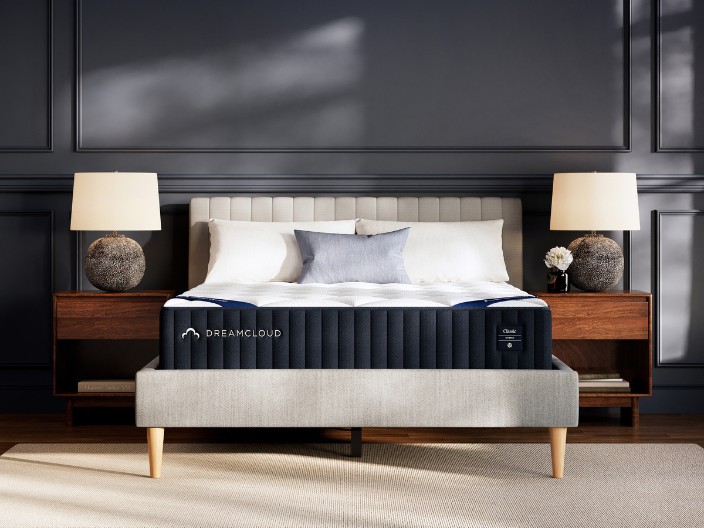
Hybrid mattresses incorporate coils with supportive foam layers, such as the designs found in DreamCloud products, and tend to offer an optimal balance for back sleepers. Individually wrapped coils provide firm yet responsive base support, while memory foam layers cushion pressure points and enhance comfort. This combination promotes spinal alignment and motion isolation, making it a notable option for couples as well.
Stomach Sleepers
Stomach sleeping generally necessitates a firmer mattress—around 6-8—to prevent the hips from sinking too deeply. Excessive sinking in this position can create an exaggerated lumbar lordosis (inward curvature of the lower back), potentially leading to discomfort or pain over time. A firm surface helps maintain a neutral spine alignment.
Latex mattresses, especially natural options like Awara’s certified organic latex and coil hybrids, provide the resilient support stomach sleepers need without excess sinkage. The natural bounce of latex supports the body while maintaining breathability and temperature regulation, important considerations since stomach sleepers often sleep warmer than other positions.
Additional Factors That Influence Mattress Firmness Selection
Body Weight
Body weight significantly alters how a mattress’s firmness is perceived and feels. Heavier sleepers (generally over 230 pounds) compress foams and coils more deeply, which means they typically require mattresses labeled as firm or extra firm to achieve necessary support and spinal alignment. Lighter sleepers (under 130 pounds) generally find softer or medium firmness mattresses more comfortable, as they don’t sink as much and still get adequate support.
This means that mattress labels rarely paint the whole picture. Instead, it’s useful to think of firmness relative to your weight: a mattress considered medium-firm for an average-weight individual might feel soft for a heavier person. Budget-friendly mattresses from Siena demonstrate that even lower-priced models can provide appropriate firmness and safety via CertiPUR-US certified foams, ensuring durability and performance suitable for various weights.
Health Concerns and Pain Issues
Certain health conditions play a role in firmness preference. For example, those with chronic lower back pain generally benefit from medium-firm mattresses that combine support and pressure relief. Arthritis patients or those with joint pain may prefer softer surfaces cushioning painful joints, especially if side sleeping is common.
Mattresses with zoned support or varying firmness by area can help address this by offering firmer support under the hips and softer cushioning around shoulders. DreamCloud’s advanced hybrid models incorporate zoned coil systems that increase support where the body needs it while allowing softer contouring elsewhere. This design reduces stress on vulnerable areas while preserving overall spinal alignment.
Temperature Regulation and Mattress Materials
Firmness also interacts with mattress materials, influencing heat retention and breathability—two crucial factors affecting sleep quality. For instance, memory foam mattresses tend to trap heat due to their dense construction, which might be uncomfortable for sleepers who tend to overheat. However, models with gel-infused layers or cooling covers, like those in Nectar and DreamCloud, help mitigate temperature issues.
Natural latex mattresses like Awara’s use natural cotton and New Zealand wool in addition to breathable coils, promoting airflow and moisture wicking. Latex’s open-cell structure provides responsive support with cooler sleep surface temperatures. This makes them suitable for sleepers seeking firmer surfaces without the heat concerns memory foam sometimes raises.
Evaluating Mattress Construction and Its Effect on Firmness
Beyond surface firmness, mattress construction significantly shapes how firmness feels and how supportive a mattress is in practice.
Foam Mattresses
Foam mattresses, especially memory foam varieties, offer excellent pressure relief by contouring closely to the body. This results in a “sinking in” sensation, which can be ideal for side sleepers or those seeking pain relief but may feel too soft or “trapped” for others.
Nectar’s all-foam mattresses use five specialized foam layers that balance sinkage and support with a medium-firm feel. This layering is a good example of how medium firmness can be achieved without compromising comfort or durability.
Hybrid Mattresses
Hybrid mattresses combine foam comfort layers with an innerspring support core, often using individually-wrapped coils (also called pocketed coils). This construction provides a firmer base that supports spinal alignment and reduces excessive sinkage while the foam layers provide contouring and pressure relief.
DreamCloud’s hybrid models are prime examples, featuring pocketed coils that excel at motion isolation—absorbing movement so partners can sleep undisturbed—and zoned support that adjusts firmness across the sleeping surface. Hybrids can appeal to a wide range of sleepers because they strike a balance between softness and firmness.
Latex Mattresses
Latex mattresses, whether natural or synthetic, are known for their responsiveness and durability. They provide a slightly bouncier surface with less “hug” than memory foam, often feeling firmer while still contouring adequately to the body. Natural latex, found in organic-certified mattresses like Awara, also supports temperature regulation and hypoallergenic benefits.
Latex can be especially suitable for combination sleepers who change positions overnight and need easy movement on their mattress without losing support.
Practical Steps for Testing Mattress Firmness
While understanding these scientific and technical aspects is essential, experiencing mattress firmness firsthand remains crucial. When testing mattresses, we recommend lying down in your usual sleep position and paying attention to how well your body is supported and whether pressure points feel cushioned.
Assess firmness by noting whether your hips, shoulders, and lower back feel comfortably aligned or if you experience any numbness or pressure. If possible, spend at least 10-15 minutes in store or take advantage of at-home trial periods like the 365-night trials offered by many brands. This extended time is important because initial impressions may differ from how your body reacts over multiple nights.
Consider your unique comfort preferences in tandem with the firmness scale rather than relying solely on mattress descriptions. Remember, certification such as CertiPUR-US for foam safety or organic certifications like GOLS and GOTS indicate quality construction, but do not directly influence firmness.
Key Takeaways on Choosing the Right Mattress Firmness
Choosing mattress firmness requires balancing support and pressure relief tailored to your body and sleep style. Research supports medium-firm mattresses as a generally beneficial range for many sleepers, especially those with back pain. Side sleepers often prefer softer surfaces that cushion hips and shoulders, while stomach sleepers usually need firmer surfaces to avoid spine misalignment.
Body weight considerably influences how a mattress feels and performs—heavier sleepers typically need firmer mattresses for proper support, while lighter sleepers may find firm mattresses uncomfortable. The materials and construction type also play essential roles in how firmness is perceived and how well your mattress supports temperature regulation and motion isolation.
Testing mattresses in your typical sleep positions and utilizing trial periods provides the best opportunity to find a firmness that leads to uninterrupted, restorative sleep. Keeping these factors in mind helps you make an informed mattress purchase that supports both your comfort and health for years to come.
Conclusion
Understanding mattress firmness is critical to selecting a mattress that supports your unique sleep needs and promotes overall well-being. Firmness affects spinal health, pressure distribution, and sleep quality—each influenced by personal sleep position, body weight, and health concerns. Scientific evidence favors medium-firm mattresses for broad applicability but recognizes the value of tailoring to individual circumstances.
Taking the time to consider how firmness interacts with mattress materials and construction will improve your chances of long-term sleep satisfaction. Approaching your mattress choice with these insights equips you to prioritize support and comfort effectively, leading to healthier sleep and a better quality of life.
This website does not offer medical advice nor professional medical services; rather, it is provided solely for educational, informational, and/or entertainment purposes. Individuals seeking medical advice should consult a licensed physician. The information provided should not be used for diagnosis or treatment of any condition, disease, or injury. When you have a medical condition, you should always talk to licensed doctor or other certified medical professional. You should never delay seeking professional medical advice or treatment based on the contents of this website. Call 911 or immediately go to the nearest emergency room if you think you may have a medical emergency. The contents of this website are provided “as-is”, Sleep Authority and its parent, subsidiaries, affiliates, employees, contributors disclaim any warranty of the information contained herein. Please contact using contact form to report any errors, omissions, misinformation, or abuse.