Comprehensive Guide: What Brands Offer the Best Mattress Warranties?
Share
Fact checked
Reviewed by experts
 Writers at Sleep Authority are supported by a research team conducting in-depth research about the topics. The editorial team reviews them for accuracy and facts to ensure the most authentic and accurate content is published. Sleep Authority does not offer any medical advice, and you should not rely solely on our content for your course of treatment. Consult your medical professional to discuss any health concerns, chronic conditions, treatment options, or diagnoses.
Updated
January 20, 2026
Quick read
5 mins to read
List of Content
When investing in a mattress, warranty coverage is a key factor that safeguards your purchase against defects and unexpected deterioration. Your mattress warranty not only provides you with reassurance but also reflects a brand’s confidence in the durability and quality of its materials and construction. Understanding which mattress brands offer the best warranties—and what those warranties actually cover—can significantly influence your decision, ensuring you make an informed choice that aligns with your long-term sleep health and financial interests.
Mattress warranties vary widely in length, terms, and conditions, impacting how well you are protected against issues such as sagging, foam degradation, coil failure, and manufacturing defects. This article breaks down important warranty components and examines warranty offerings from key mattress brands known for balancing quality with solid consumer protections. By delving into warranty length, coverage details, and practical considerations, you’ll be better equipped to evaluate mattress warranties objectively and confidently.
Understanding Mattress Warranties: What They Cover and Why They Matter
A mattress warranty is a manufacturer’s guarantee that it will repair or replace the product if certain defects arise within a specified period. Unlike a sleep trial, which addresses your subjective comfort or satisfaction, warranties are designed to protect you from objective issues related to workmanship or materials. These include defects such as broken coils, foam delamination, seam splitting, or abnormal indentations.
This matters because research indicates that poor mattress support and durability can impact sleep quality and musculoskeletal health over time (Study: Applied Ergonomics, 2019). A mattress that sags prematurely or deteriorates rapidly can worsen spinal alignment, leading to discomfort or chronic pain. Hence, a robust warranty acts as a safeguard by encouraging manufacturers to uphold higher quality standards and providing buyers with accessible recourse should defects emerge.
Key terms to understand within mattress warranties include:
- Warranty length: The duration of coverage, often ranging from 10 years to a lifetime.
- Defect coverage: Specific types of damage or faults protected, like coil breakage or foam indentation.
- Prorated warranties: Coverage that decreases in value over time, requiring partial payment from the consumer.
- Non-prorated warranties: Full coverage with no cost to the consumer for repairs or replacement during the warranty period.
- Exclusions: Conditions or damages not covered, such as normal wear and tear, misuse, or improper support base.
Warranty Length and Terms Among Leading Mattress Brands
Mattress warranties generally span between 10 years and lifetime coverage, with finer distinctions in the fine print. Of the mattress brands frequently referenced for quality and consumer protection, warranty terms vary in meaningful ways. Understanding these differences reveals how comprehensive and practical each brand’s warranty is.
Factors Influencing Warranty Effectiveness and What to Watch For
Understanding warranty length is only part of the picture—terms, conditions, and practical enforceability deeply influence how protective a warranty really is. Longer warranties may sound appealing, but exclusions and procedures can diminish their value.
Manufacturers commonly exclude coverage for damage caused by improper foundation use, misuse, stains, or burns. For example, placing a mattress on a soft surface not designed for support often voids warranties, as does smoking or allowing pets to damage the fabric. Being aware of these exclusions helps set realistic expectations.
Additionally, many warranties require proof of purchase and clear documentation of the defect. Some companies may ask for photographic evidence or third-party inspection, which may delay or complicate claim processing. Prorated coverage—where repair or replacement costs increase over time—also lessens the warranty’s practical benefit.
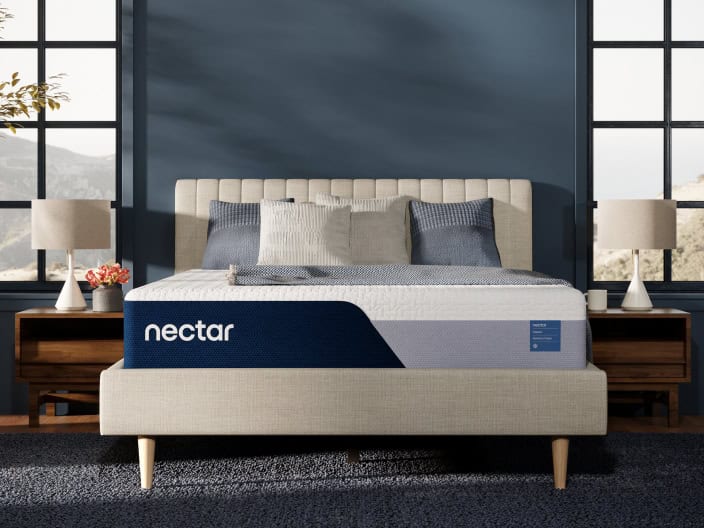
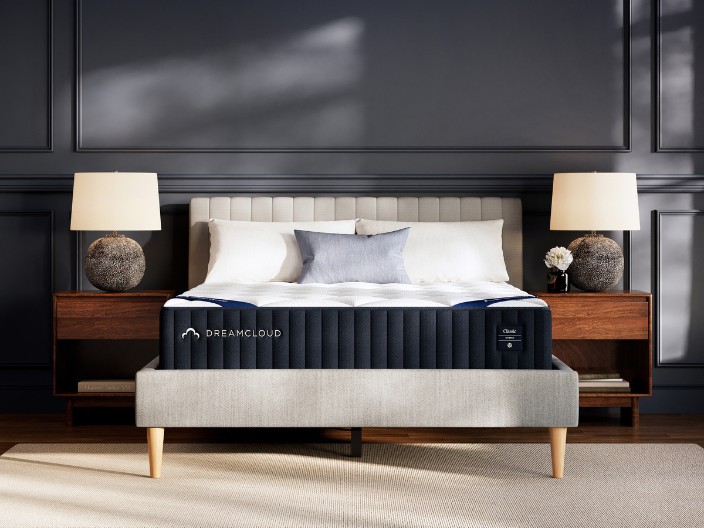
Warranties with non-prorated coverage for 10 years or more, like those offered by DreamCloud, Nectar, and Awara, provide clearer consumer protections when quality issues arise.
Finally, trial periods and warranty coverage work best in tandem. Brands offering extended sleep trials alongside long warranties allow consumers to test comfort and performance before relying on warranty claims—a combination enhancing overall confidence in mattress purchases.
Warranty Coverage: What Defects Are Usually Protected?
Most mattress warranties focus on major manufacturing defects rather than superficial issues. Commonly covered defects include: coil breakage (for hybrid models), permanent foam indentations deeper than 1.5 inches, seam or stitching failures, and failure of the mattress to maintain shape and support due to material defects.
It is important to distinguish normal wear (which is excluded) from warranty-covered defects. Body impressions less than 1.5 inches, minor softness changes, or cosmetic issues such as fabric fading typically do not qualify for replacement. This is because sleep science and longitudinal studies establish that impressions under this depth generally do not affect spinal alignment or sleep quality (Study: Clinical Biomechanics, 2016).
How Warranty Terms Align With Mattress Materials and Construction
The type of mattress construction influences the warranty terms and how defects manifest.
Hybrid mattresses are more resistant to sagging and frame failure, which explains why brands can confidently offer non-prorated lifetime warranties covering coil integrity and foam layers.
All-foam mattresses may exhibit gradual compression or “body impressions.” Because foam density and formulation affect durability, warranties for these mattresses carefully define indentation thresholds. Research shows that higher-density foams retain support longer and resist deep indentations, supporting longer warranty coverage when such materials are used (Study: Journal of Polymer Science, 2017).
Latex mattresses tend to have superior resilience due to latex’s natural elasticity. This material characteristic aligns well with lifetime warranties, as latex resists permanent deformation better than synthetic foams (Study: Journal of Elastomers and Plastics, 2019).
Budget models often balance cost with durability by using foams tested for safety and performance. Their 10-year warranties correspond to expected foam lifespan at these price points. This demonstrates that warranty length should reflect material realities and price-tier expectations.
Summary of Warranty Strengths Across Mattress Brands
Brands offering lifetime warranties typically back mattresses with construction designed for longevity, such as high-quality coils, premium foam layers, or organic latex. These warranties are usually non-prorated, covering repair or replacement costs as long as ownership is retained and care instructions are followed.
Lifetime warranties, however, include exclusions for normal wear and proper use, highlighting the importance of mattress maintenance. Shorter warranties like Siena’s 10-year coverage suit budget-conscious buyers with realistic durability expectations without compromising essential protections against defects.
In practice, the combination of a mattress’s materials, construction, warranty terms, and your adherence to care recommendations shapes your long-term satisfaction and value.
Key Takeaways on Mattress Warranties and Brand Protections
- Mattress warranties primarily protect against manufacturing defects and abnormal sagging deeper than 1.5 inches, a threshold supported by sleep research for impact on comfort and spinal alignment.
- “Forever” or lifetime warranties, such as those offered by DreamCloud, Nectar, and Awara, indicate strong confidence in mattress durability and provide non-prorated protection for the mattress lifespan.
- Warranty terms often require consumers to follow care instructions and use proper foundations; failure to do so can void coverage.
- Hybrid and natural latex mattresses generally support longer warranties due to resilient coil systems and latex’s elasticity, whereas all-foam mattresses have warranty coverage reflecting foam compression realities.
- Budget brands like Siena provide standard 10-year warranties aligned with material performance, demonstrating that reliable warranty coverage is available across price points.
Conclusion
Understanding mattress warranties is essential to protecting your investment and ensuring your mattress supports restful sleep over time. While warranty length matters, the scope of coverage, exclusions, and required maintenance practices are equally critical to consider. Brands offering lifetime or Forever Warranties typically pair these with durable materials and thoughtful construction, giving you confidence in your mattress’s longevity.
Whether you seek natural materials, hybrid support, or budget-friendly options, examining warranty details helps clarify what protections you receive and what expectations are reasonable. A well-structured warranty aligned with reputable materials and craftsmanship is an important foundation for long-term sleep health and financial peace of mind.
This website does not offer medical advice nor professional medical services; rather, it is provided solely for educational, informational, and/or entertainment purposes. Individuals seeking medical advice should consult a licensed physician. The information provided should not be used for diagnosis or treatment of any condition, disease, or injury. When you have a medical condition, you should always talk to licensed doctor or other certified medical professional. You should never delay seeking professional medical advice or treatment based on the contents of this website. Call 911 or immediately go to the nearest emergency room if you think you may have a medical emergency. The contents of this website are provided “as-is”, Sleep Authority and its parent, subsidiaries, affiliates, employees, contributors disclaim any warranty of the information contained herein. Please contact using contact form to report any errors, omissions, misinformation, or abuse.